
Finding resources for clients is hard
No one database is current. Not every list is relevant to your client. Sharing a link is not enough to help someone achieve better health outcomes. For frontline workers like CHWs, you learn specific resources that work best for your communities to refer clients to places where they will receive real help.
Before you can connect someone to the right service, you need a clear picture of what they actually need and want. A good individual needs assessment helps you understand the full situation: housing, food, transportation, healthcare coverage, and other factors that shape a person's health. That assessment is the foundation for every referral you make. Without it, you risk sending clients to services that do not match their circumstances.
Tools for Community Health Workers
We maintain several pages to help you find, verify, and improve the resources available to your clients. They are constantly being improved to help you with different parts of the referral process.
Find, verify, and update
Use these tools together. Work with your team and supervisors to choose needs assessments that help you understand where your client is coming from, search the 'list of lists' and the 'Places directory' to find the right organizations, and use the edit button on our Spotlight Places page to keep the data accurate for the next person.
Service coordination
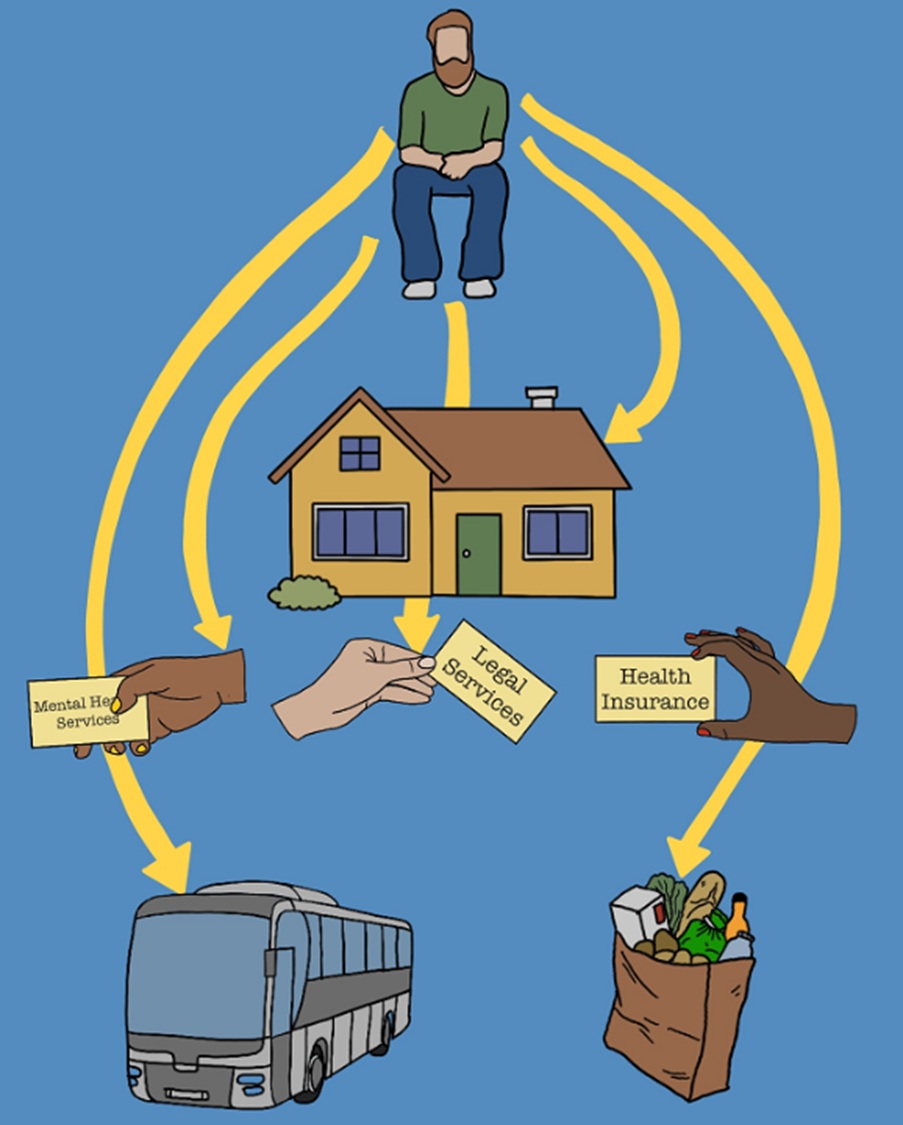
Whether part of a multidisciplinary team of healthcare professionals or caring community member trying to make things better, Community Health Workers have a new kind of impact. In the same way that clinical staff are responsible for medical care, you are often responsible for service coordination and big picture planning, preventing emergencies before they happen, connecting clients to the usual expected services but also creative and hidden supports that do just as much for their well being.
Communicate with your team
Key elements of your role are assessment, documentation, and development of a realistic plan to overcome barriers. Client needs are multi-layered and complex.
Connect clients with services as part of a team. This isn't a job for one person to carry on their own. The extra time and personal connection you have to the community helps you share what is really going on in their life . This helps your team make the best decisions and follow up. Coordinated services ensure that the client and health workers are getting the most for their effort, and that each member takes responsibility for their area.
Public healthcare benefits
Benefits available through state and federal programs vary widely from state to state, and can change from year to year. Depending on your role in your health center, you may be supporting clients in getting healthcare coverage and understanding their coverage. Applying for benefits and understanding what they cover can be confusing and stressful for clients. Refer to your program supervisor and the locally active insurance companies for specific information about how you can be a guide for client benefits.
Although coordination absolutely includes an understanding of insurance, there is so much more to offer clients to help them plan a healthy life. Housing, food access, transportation, employment, education: these are all areas where a well-informed CHW can make a real difference. They might be way more likely to join a walking club than a traditional blood pressure workshop. We are working to get more and more of those opportunities in the Places database.
Keeping the data current
Resource information goes out of date and often gets copy pasted onto new guides long after the nonprofit is gone. Organizations move, change their hours, lose funding, or shift their focus. Every time you discover that a listing in the Places directory is outdated or incomplete, use the edit button on that listing to share a note for us to review. Your updates help everyone who searches after you. The goal is a shared resource getting better and better over time. We can also email orgs to update their stuff directly but believe it is important to make it easy for the people who use resource lists to have a say in what is on them.
We all get alarmed when addressing client needs feels overwhelming. You are part of a team that is there to help you help your clients. Keep building that power and support!